
Seki Edge makes nail clippers the way a knife maker makes knives: stainless steel, hardened, and sharpened by hand. The result is a clean, straight cut that doesn't crush or split the nail, which is the difference you feel against the €5 clipper from the drugstore.
The brand belongs to Green Bell, a Japanese grooming-tools maker, and the clippers are made in Seki, a town in Gifu prefecture that has made swords and blades for over 700 years. Today Seki is Japan's knife capital.
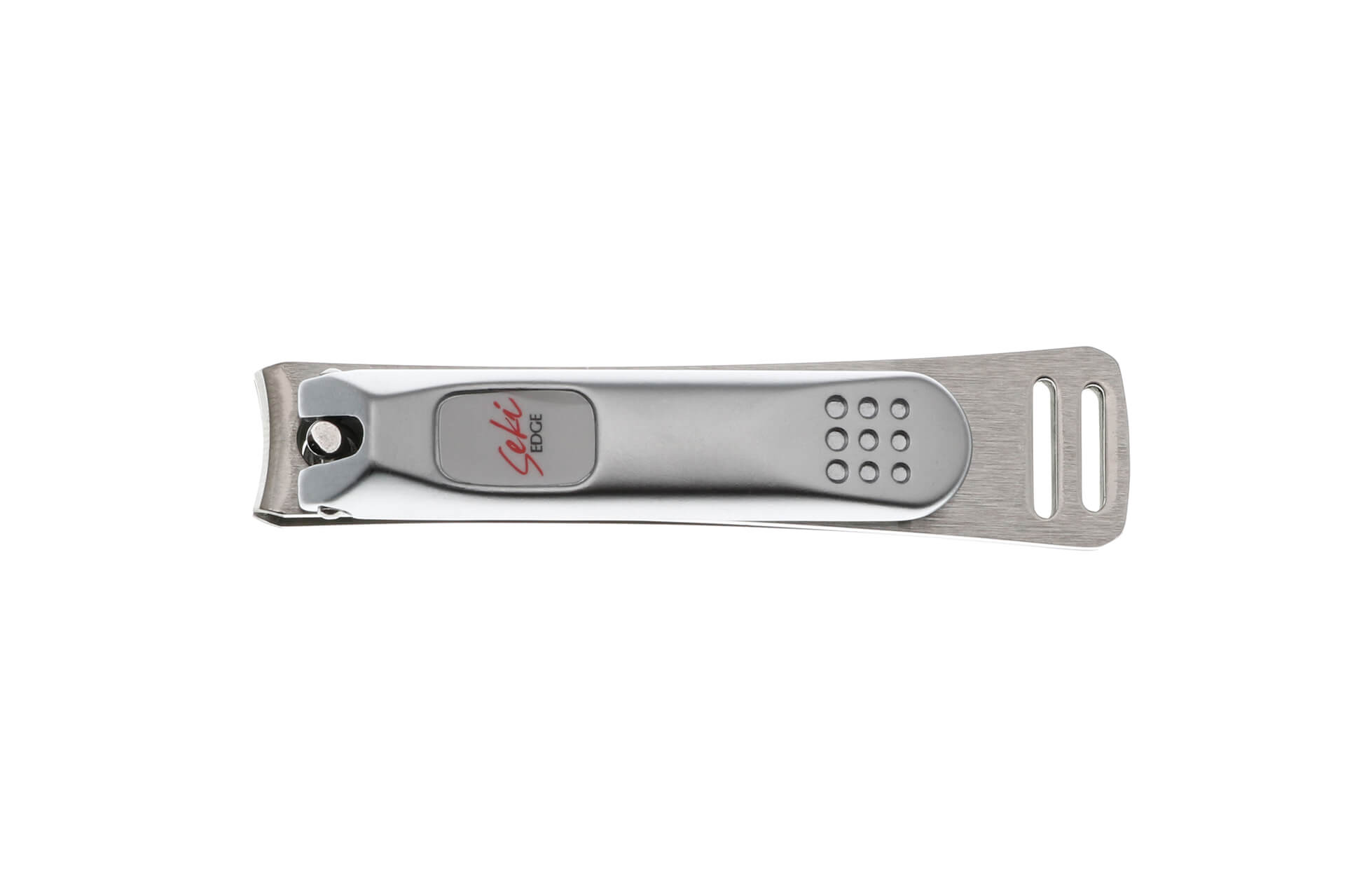
Overview
- What it is: premium nail clippers, 28 models from about €24 to €57.
- Why it stands out: the cutting edges are sharpened by hand, and the steel is hardened twice, so the jaws meet exactly and stay sharp.
- Value: 5 to 10 times the price of a drugstore clipper, for a tool you use every week for 10 years or more.
The models that matter
| Model | What | Price | Best for |
|---|---|---|---|
| SS-106 | Fingernail clipper, stainless steel | €44.99 | The classic. Straight jaw, the "USA best seller" |
| SS-107 | Toenail clipper, stainless steel | €46.99 | The larger twin of the SS-106, for thick toenails |
| SS-112 | Stainless steel nail clipper | €51.99 | The top of the clipper range |
| SS-109 | Satin Slim | €43.99 | A thinner body for a travel kit |
| SS-101 | Multifunctional, with file | €36.99 | A cheaper entry point with a built-in file |
| G-1200 | Small, with built-in catcher | €36.99 | No clippings on the floor |
| SS-204 | Nail nipper with magnetic shield | €56.99 | Precise cuts on thick or ingrown toenails |
The SS series is the premium line, all stainless steel and hand-sharpened. The G models are simpler Green Bell designs, several with a catcher that collects the clippings.
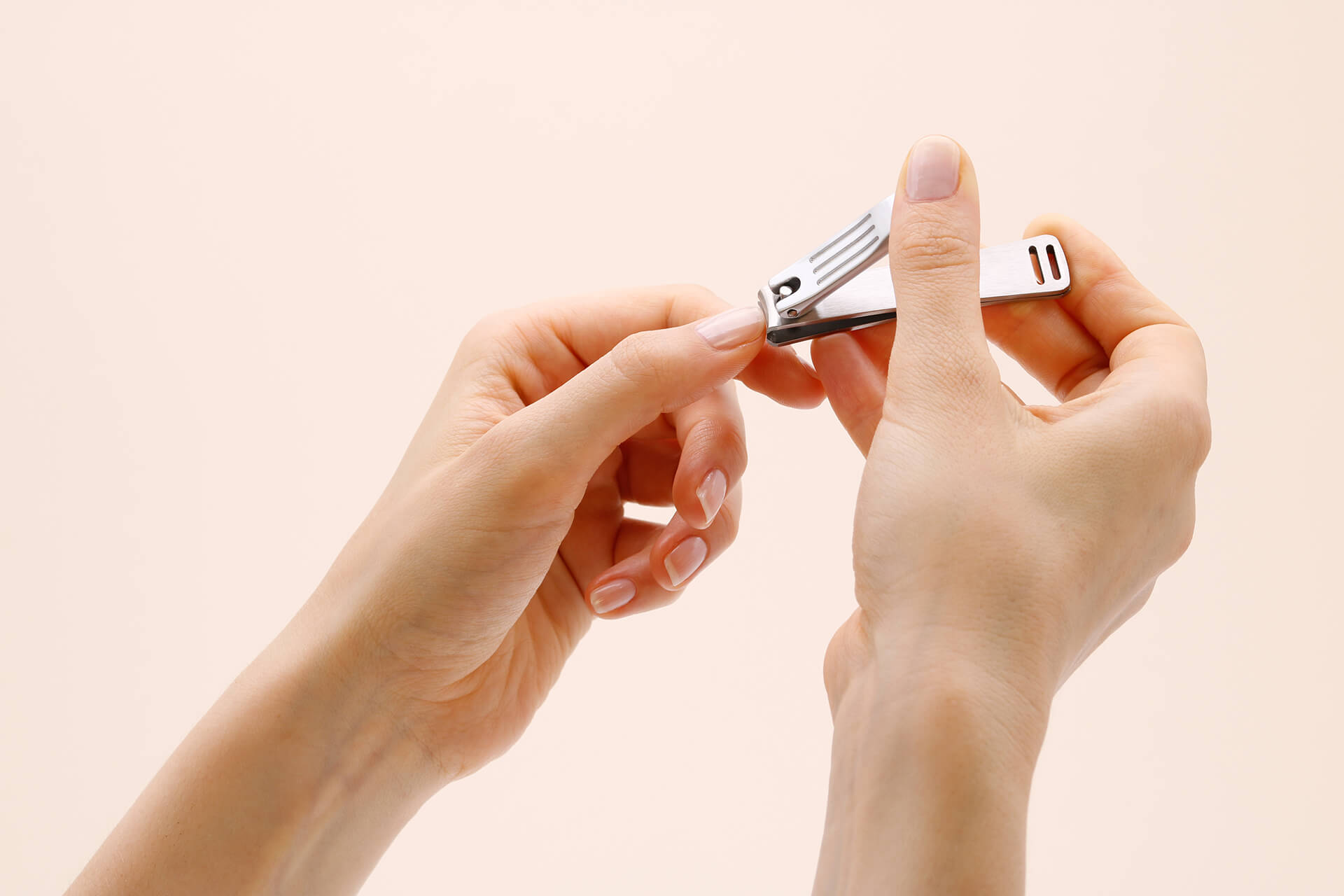
What makes a great clipper
- Jaws that meet exactly. Cheap clippers leave a gap at the ends of the blade, so they tear the last millimetre of nail instead of cutting it.
- A sharp edge. A blunt edge crushes the nail as it cuts, which leaves rough edges and can split thin nails.
- Stainless steel all through. Plated carbon steel rusts in a bathroom. Solid stainless doesn't.
- A stiff lever. A die-cast lever doesn't flex, so the force goes into the cut.
Reviews agree on the result: 1 clean snip, a smooth edge that barely needs filing, and no bending of the nail. The complaints are about price, and that the jaw opening of the fingernail models is too small for thick toenails. Buy the toenail model for that.
Pros and cons
Pros:
- A clean cut with smooth edges.
- Solid stainless steel, no rust.
- Made in Japan, with clear model numbers that are easy to reorder.
- A 100-day return policy on the European shop.
Cons:
- €35 to €57 for a nail clipper.
- Many similar models, which makes the choice harder than it should be.
Buying in Germany
The official European shop, seki-edge.com, is run by Boost Internet GmbH in Kirchheim near Munich, the exclusive distributor in Germany. Shipping and returns are free from €40, so a single SS-106 qualifies.
Seki Edge is also sold on Amazon and by shaving shops. Buy from the official shop or a known retailer, so you get the Japanese original.
Alternatives
- Green Bell, the maker, also sells clippers under its own name in Japan.
- Kai, another blade maker from Seki, also makes nail clippers.
- Makers from Solingen, Germany's own blade town, are the local alternative.
Verdict
The SS-106 is the one to buy: the right size for fingernails, the clean cut that justifies the price, and a tool that lasts. Add the SS-107 if toenails need a stronger jaw. It's the same logic as a good kitchen knife: pay once, use it for years.
Further Reading