

Core is a small computer whose only job is to run your personal AI. It sits at home, runs open models on its own GPU, and stays on day and night. It connects to your email, calendar, files, browser, wearables and smart-home devices, builds a picture of your life over time, and acts on it before you ask.
The pitch fits in 3 words on the site: no subscription, entirely on device. Ghost launched it on 5th October 2026, with the first batch shipping on 31st October.
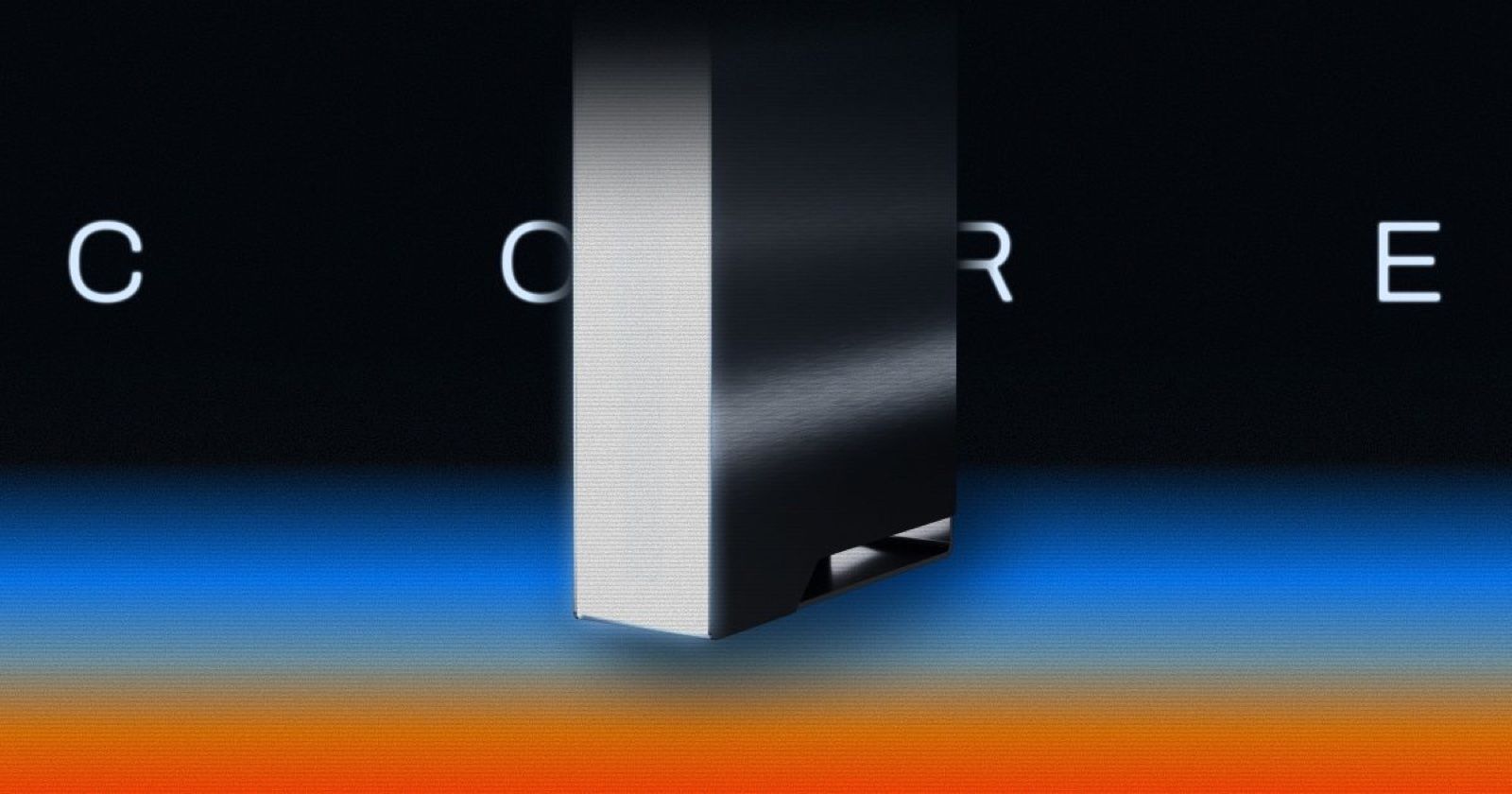
| Maker | Ghost, a startup backed by Andreessen Horowitz |
| Price | $3,499, no subscription |
| Ships | Batch 1 on 31st October 2026, free shipping |
| Warranty | 1 year, 30-day returns |
| Models | Qwen 3.8-Next, Qwen 3.8-27B, Gemma 4-31B, Muse-Glimmer-30B |
| Talk to it from | Mac, Linux, Windows, iPhone and Android |
| Connects to | Wi-Fi and Bluetooth devices: cameras, lights, speakers, fridge, WHOOP, Oura, Eight Sleep |
The launch video
Video: Ghost, from their launch post on X.
What it does
- Local intelligence. Models, memory and data stay on the box, encrypted. Ghost says no data ever leaves your home.
- Continuous context. Core runs 24/7 and takes in your apps, files, screen history, recordings, health records and devices. The longer it runs, the more it knows.
- Proactive agent. It doesn't wait for a prompt. The site's examples: a better recovery score than usual, groceries running low, rain changing tomorrow's commute, "you've already had two coffees today".
- Your own endpoint. Core exposes an API compatible with the OpenAI Responses API. Point OpenCode, Codex or your own scripts at it, with no per-token fees.
For business people
The idea: an AI that sees your mail, money, health data and home cameras is the most private thing you'll ever run. Ghost's argument is that it shouldn't live on someone else's servers. Core is the "own it" answer: pay once, keep everything at home.
The company: Ghost came out of stealth with an $11M seed round led by Andreessen Horowitz, with Abstract Ventures, Audacious, SV Angel and Z Fellows listed on its about page. Founder Zain Javaid, 19 and a former quant, started it with Nicholas Chua, Yifei Chen and Gautam Sharda (TechJuice).
The limits:
- Version 1, unshipped. No reviews exist yet. Everything here is what Ghost says.
- The proactive part is the hard part. Nudges like "take an apple" are easy to demo and easy to find annoying. The quality of the agent decides the product, not the box.
- Not fully offline. Web search, email and software updates still need the internet. Ghost says the models and memory run locally.
- US first. The site prices in dollars and doesn't say whether batch 1 ships to Europe.
- Mid-size models. 24 GB of GPU memory caps it at models around 30B. Frontier cloud models are far stronger at hard reasoning.
For technical people
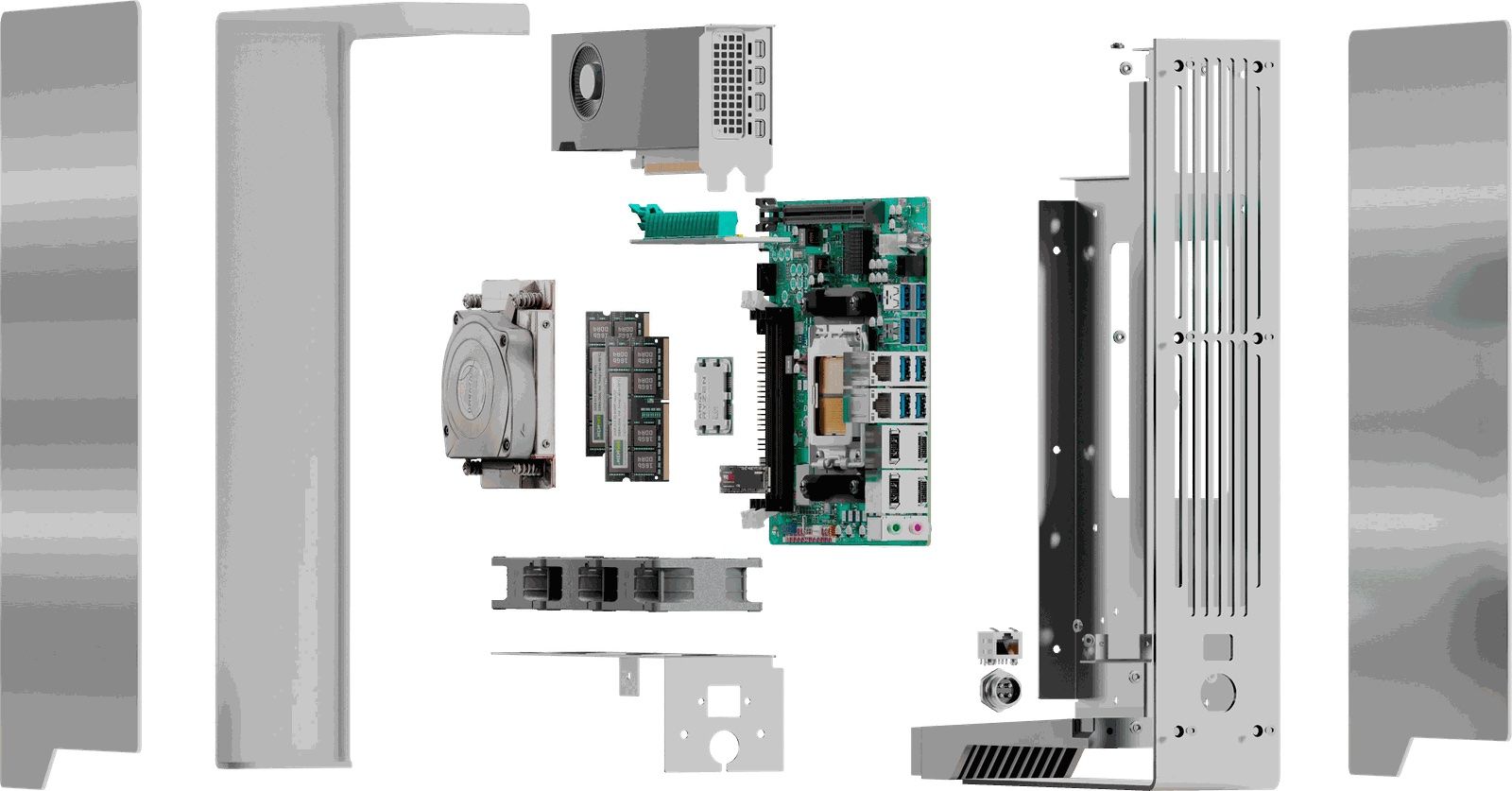
Inside, it's a compact PC built around a workstation GPU:
| Part | Spec |
|---|---|
| GPU | NVIDIA RTX PRO 4000 Blackwell SFF, 24 GB GDDR7 ECC, 432 GB/s, 770 AI TOPS |
| CPU | AMD Ryzen 5 7600, 6 cores, 12 threads |
| RAM | 64 GB DDR5 |
| Storage | 1 TB NVMe SSD |
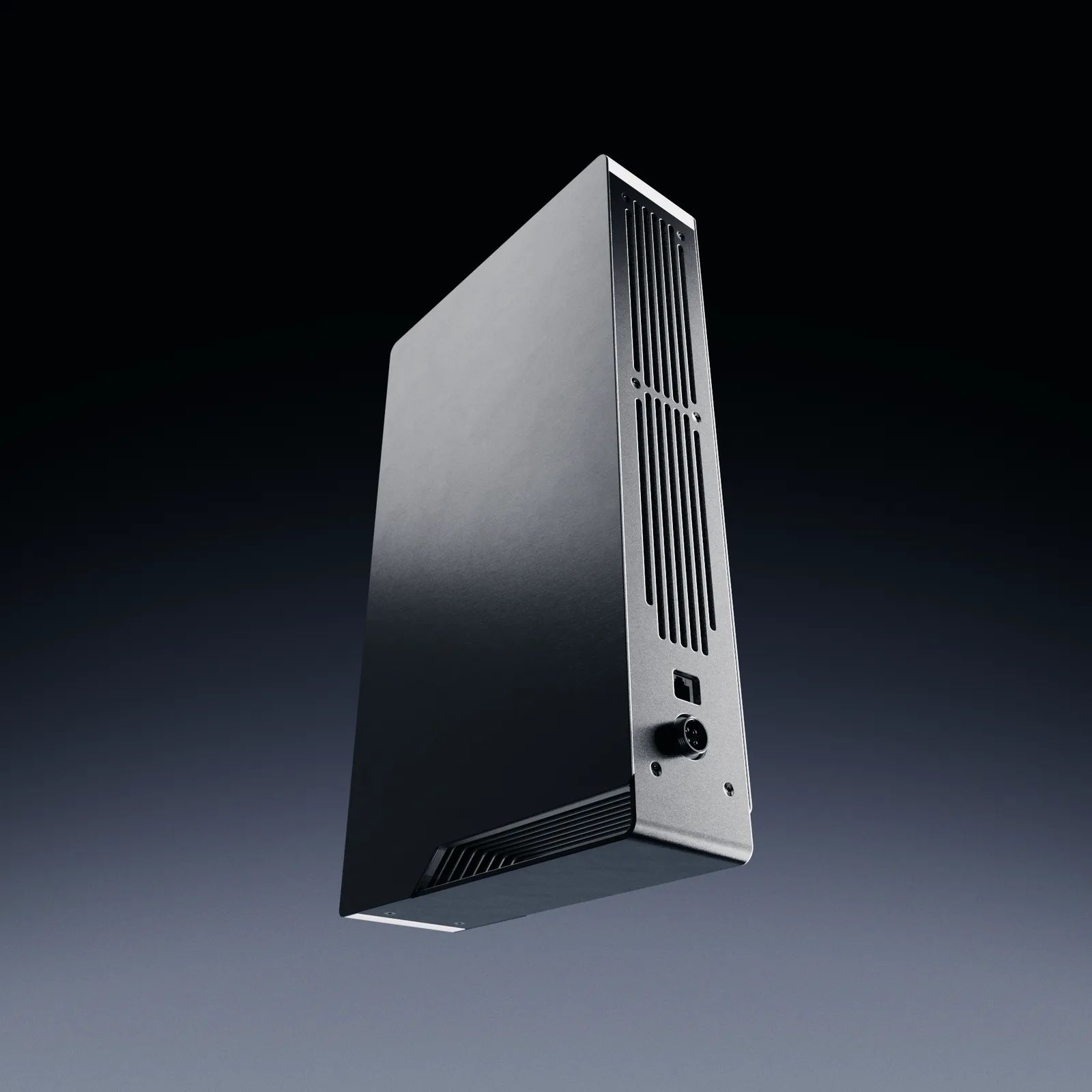
| Case | Stainless steel, brushed silver, acrylic light diffuser |
- What 24 GB means: a 27B to 31B model fits only quantised, around 4 to 5 bits per weight, with room left for context. Larger models don't fit on the GPU.
- API: OpenAI Responses-compatible endpoint, so any client that takes a custom base URL works.
- Ghost hasn't published the OS, the agent stack, the power draw or the noise level yet.
Compared with my Mac Studio
I already run NicAI on Qwen3.8 27B at home, on Ollama on my Mac Studio (see Fine-tuning my own model (LLM): NicAI ). Core runs the same model family, so the comparison is direct:
| Ghost Core | My Mac Studio (M1 Ultra) | |
|---|---|---|
| Memory for models | 24 GB GPU memory | 128 GB unified memory |
| Memory bandwidth | 432 GB/s | 800 GB/s |
| Largest model | About 30B, quantised | 70B and more |
| Strength | Newer GPU with more compute | Bigger models, more bandwidth |
| Software | Ghost's agent, built in | Whatever I build |
Value
Core is a bet on the same idea I already live by: my data, my models, my hardware. That's NicAI on the Mac Studio, with Ollama serving a fine-tuned Qwen and agents working on local SQLite.
For me, the box adds nothing: the Mac Studio has more memory, more bandwidth, and I'd rather own the agent code than rent Ghost's. For someone who wants the private-AI outcome without building it, Core is the first product that packages it as an appliance. The thing to watch is the agent software after 31st October, not the hardware.
Related: Oki Home, a cheaper, storage-first box launched the same week (see Oki Home ), and Kolibri, a European model I compared with Qwen for NicAI (see Kolibri ).
Further Reading
